Raising Curious Minds

Helping families raise readers, thinkers, and lifelong learners.

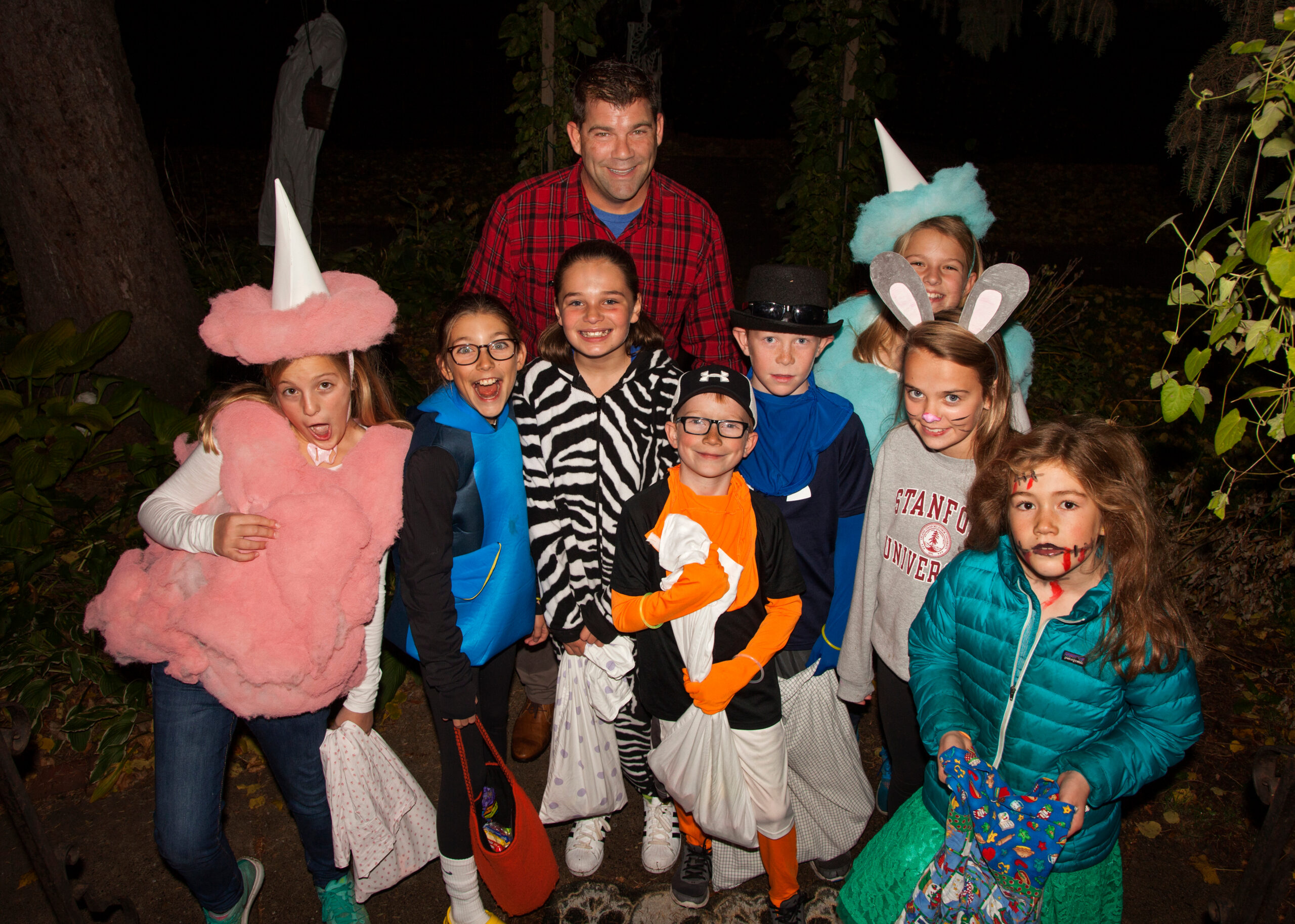
Kids in playful Halloween costumes trick-or-treating with a parent on a not so scary Halloween night

Is Your Child Ready for Spooky? A Parent’s Guide to a Not-So-Scary Halloween

A not-so-scary Halloween is still pretend — but for young children, pretend can feel surprisingly real.

A glowing skeleton in a store window might be funny to one child and terrifying to another. An older sibling may be ready for a spooky movie that keeps a younger one awake for days. And even children who know a monster isn’t real can still feel genuinely scared by it.

So how do you tell the difference between fun-spooky and too scary?

Age can help, but your child’s reactions tell you even more. Here’s what to look for, what fears are common at different stages, and how to help when something spooky follows them all the way to bedtime.


How Do You Know If Your Child Is Ready?

Before you say yes to the haunted house or the scarier movie, look for three signs:

  • They can tell pretend from real. Common Sense Media notes that children younger than 7 can’t easily distinguish fantasy from reality — even when you tell them “it’s not real.” If your child still believes the monsters could be under the bed, they’re telling you they’re not ready yet.
  • They’re asking for it, not being nudged into it. A child who begs to watch the spooky movie is in a very different place from one dragged along by older siblings.
  • They bounce back quickly. After a scare, do they shake it off in minutes, or does it follow them to bedtime for a week?

Not there yet? That’s normal. Try again next year — there’s no prize for rushing it.

What Halloween Fears Look Like at Every Age

These age ranges are a guide, not a rule. Temperament and experience matter just as much as a birthday.

Fear changes as kids grow. Here’s what’s typical — and how to meet them where they are.

  • Ages 0–3: The world is big and loud. Babies and toddlers startle at sudden noises, unfamiliar faces, and the dark. They need closeness, not explanations — hold them, keep routines steady, and skip the haunted anything.
  • Ages 3–6: Imagination blooms — and so does fear of what it invents. Pretend feels real at this age, which is why a friendly ghost costume can still bring tears. Keep the spooky gentle and opt-in, and let them control the dial: a flashlight they hold themselves beats a dark hallway.
  • Ages 6–9: Most kids can now tell pretend from real, but intense scenes, loud surprises, and “what if” worries can still lodge at bedtime. They’re ready for fun-spooky with a grown-up nearby — and ready to talk about what scared them afterward.
  • Ages 9–14: Tweens can handle suspense and bigger themes, especially when they get to process them. This is the age for the movies with real stakes — and real conversations after.

Before You Say Yes to Something Spooky

  • Preview it first. A PG rating doesn’t tell you what will bother your child.
  • Tell them what to expect. “The room will be dark, and something might jump out.”
  • Give them an exit. Make it clear they can leave or turn something off without embarrassment.
  • Don’t make it a dare. Halloween is supposed to be fun, not a test.
  • Watch the aftermath. Trouble sleeping or repeated questions can tell you the experience was too much.

What to Do When Something Scares Them

It’ll happen despite your best filters. When it does:

  • Name the feeling instead of brushing it off: “That was scary, wasn’t it?” Being believed calms kids faster than being reassured.
  • Show them how it was made. Costumes, makeup, actors, animation — pulling back the curtain turns a monster into a craft project.
  • End on something calm and familiar, like a favorite story together. Never let the scary thing be the last thing before sleep.

When Spooky Season Follows Them to Bed

Fear of the dark often grows in fall, as bedtime arrives in full darkness. A steady routine is your best tool, plus:

  • Check the room together — closets, under the bed, behind the curtains. Let them lead the inspection.
  • Play flashlight games: shadow puppets on the wall, a flashlight walk down the hallway.
  • A soft nightlight, and a comfort object within reach.
  • Save the spooky stories for daytime. Bedtime stories stay cozy.

What to Do When Something Scares Them

Halloween Doesn’t Have to Be Scary to Be Magical

The goal was never the scare. It’s the costumes, the candy, the flashlight walks down dark hallways, the stories you tell together. A not so scary Halloween isn’t a lesser Halloween — for a young child, it’s the magical one.

For trick-or-treat night, review Safe Kids Worldwide’s Halloween safety guidance before heading out.

Or, make a concoct a batch of delicious Halloween snacks like Creepy Peepers English muffin pizzas or carve your own Guac-o’-lantern!


Keep the Wonder Going

Halloween may only come once a year, but kids’ appetite for stories, discovery, and imagination doesn’t. From BABYBUG for the littlest listeners to CRICKET for independent readers with big ideas, Cricket Media creates magazines designed to meet kids at their age and stage, with stories, art, activities, and discoveries to explore together.

From everyone at Cricket Media

Wishing you a not-so-scary Halloween.