Raising Curious Minds

Helping families raise readers, thinkers, and lifelong learners.

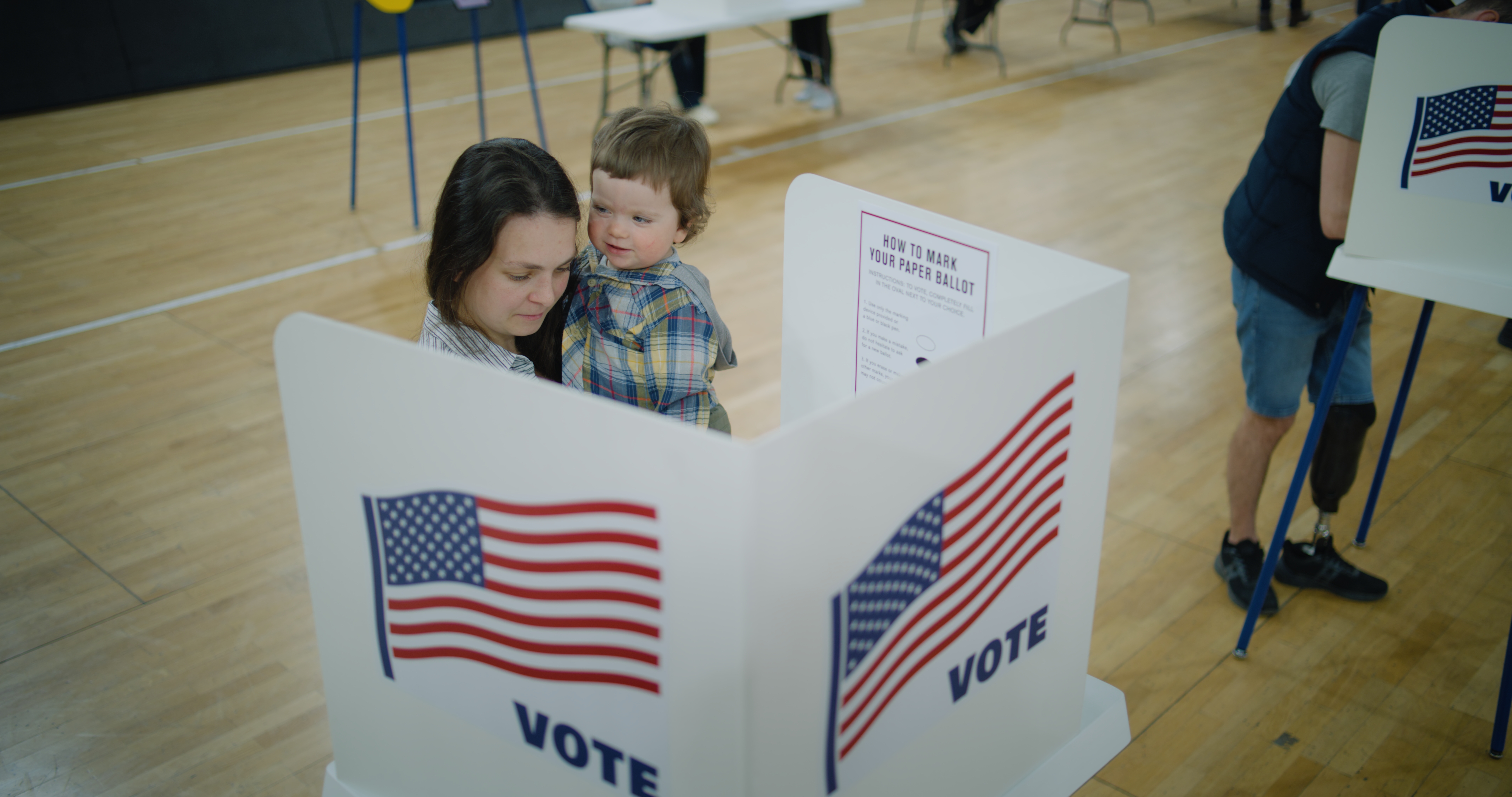
Parent holding a young child inside a voting booth at a polling place.

How to Teach Kids About Voting: 4 Fun Election Day Activities

Election Day is a wonderful opportunity to teach kids about voting and show them democracy in action!

Voting is about more than choosing our leaders. It’s a way to participate in our communities, share our opinions, and help make decisions about the things that matter to us.

And while kids aren’t old enough to vote in public elections, there are plenty of ways to help them understand how the process works.

Here are four simple ways to make Election Day a learning experience for the whole family.

1. Talk About the Candidates and Issues

Start with something your child already cares about. Animals? Parks and playgrounds? Recycling? Schools?

Explain that candidates have different ideas about how to address issues in their communities. Together, explore what the candidates have said about a few topics your child finds interesting.

Ask questions like:

  • What would you like to change or improve in our neighborhood?
  • Why do you think people sometimes disagree about what’s best?
  • How can we listen respectfully to someone with a different opinion?

For older kids, look at a sample ballot together and discuss the different positions they’ll see on Election Day.

2. Take Your Kids to the Polls

There’s something special about seeing democracy happen in person.

If your local election rules allow it, bring your child along when you vote. Show them how voters check in, receive their ballots, and cast their votes privately.

Explain that voting gives eligible citizens a voice in choosing their representatives and deciding certain public questions.

And if your polling place has “I Voted” stickers, celebrate the occasion together!

Parent tip: Rules for bringing kids into polling places and allowing them to assist with voting vary. Check with your local election office before heading out.

3. Follow the Election Results Together

Once the polls close, take a few minutes to explore the results.

How many people voted in your city or state? Was the race close? Who won?

Explain that not everyone will be happy with the outcome, and that’s okay. In a democracy, people can disagree while still respecting one another and continuing to participate in their communities.

It’s also a good opportunity to talk about how votes are counted and why official results sometimes take time to finalize.

4. Hold a Family Election

You don’t have to wait until Election Day to practice voting!

Turn an everyday family decision into a mini election. Let everyone vote on:

  • Which book to read together
  • What game to play
  • What movie to watch
  • What to make for dinner

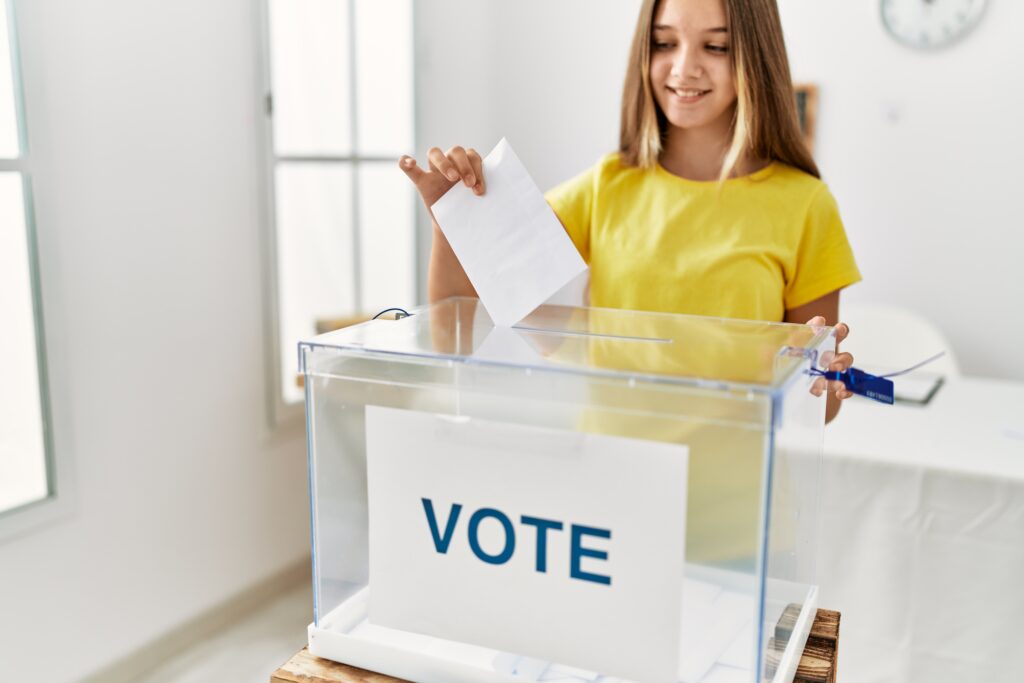
Make paper ballots, set up a ballot box, and appoint someone to count the votes.

Girl placing a paper ballot into a transparent ballot box.

For older kids, take it a step further. Let each person make a short case for their choice before voting.

The best part? Everyone gets a chance to participate, and kids discover how groups can make decisions even when they don’t all agree.

Keep the Conversation Going with Stories and History

Curious kids may want to know more. How did voting begin? Has everyone always had the right to vote? How do elections work in other countries?

Stories, history, and videos can help make those big questions easier to understand.

Read together: Cricket Media explores elections around the world, including voting traditions, election systems, and the history of voting in different countries.

Here’s a great video on Sensical from A Kid Explains History: Just a Minute Civics that includes kid-friendly explanations about voting and U.S. elections.

After watching or reading, ask your child: What’s one thing you learned that surprised you?

Every Voice Matters

Kids learn about citizenship by seeing it in action. When we talk about elections, listen to different viewpoints, and participate in our communities, we help kids understand the importance of having a voice.

And sometimes, the best place to begin is with a family vote on what book to read tonight.

This Election Day, make your voice heard. Go vote!