
Four Stories of Growth
Behind every eMentor and student are families, teachers, and program partners who make these life-changing relationships possible. These stories highlight the power of encouragement, guidance, and connection.
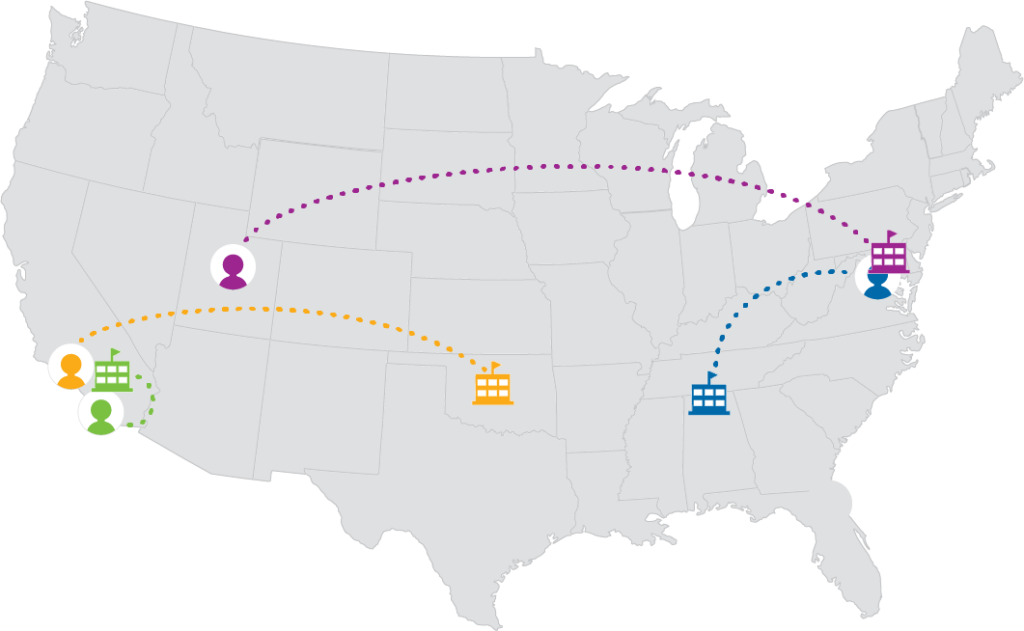
1. A Story of Confidence: Caslyn and Kolten’s STEM Journey
What happens when middle school students are given the opportunity to solve authentic community problems while learning alongside STEM professionals?
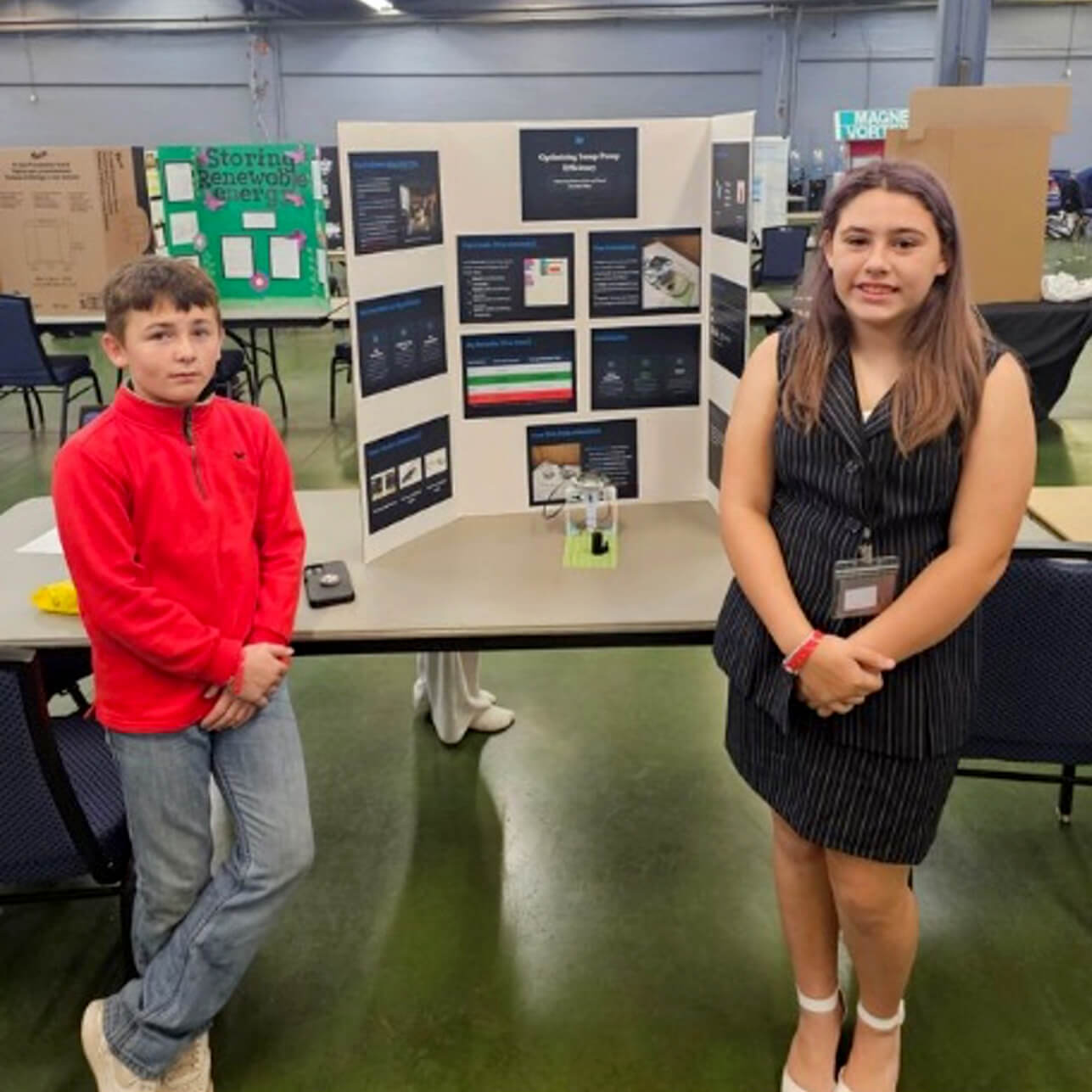
At Stonewall Public Schools’ McLish Annex, sixth-grade students Caslyn and Kolten discovered the answer through TryEngineering Together, a year-long mentoring program that connects middle school students with volunteer STEM professionals through regular online letter exchanges. As students engage in hands-on engineering projects, eMentors encourage them to think critically, communicate their ideas, and connect classroom learning to authentic engineering careers.
At the beginning of the school year, both students brought curiosity and potential but limited exposure to engineering. Caslyn had recently transferred to the district with little experience in inquiry-based science, while Kolten had participated in research projects but was new to engineering design. Like many sixth graders, both were still developing the confidence to communicate their ideas, work through uncertainty, and present their thinking to others.
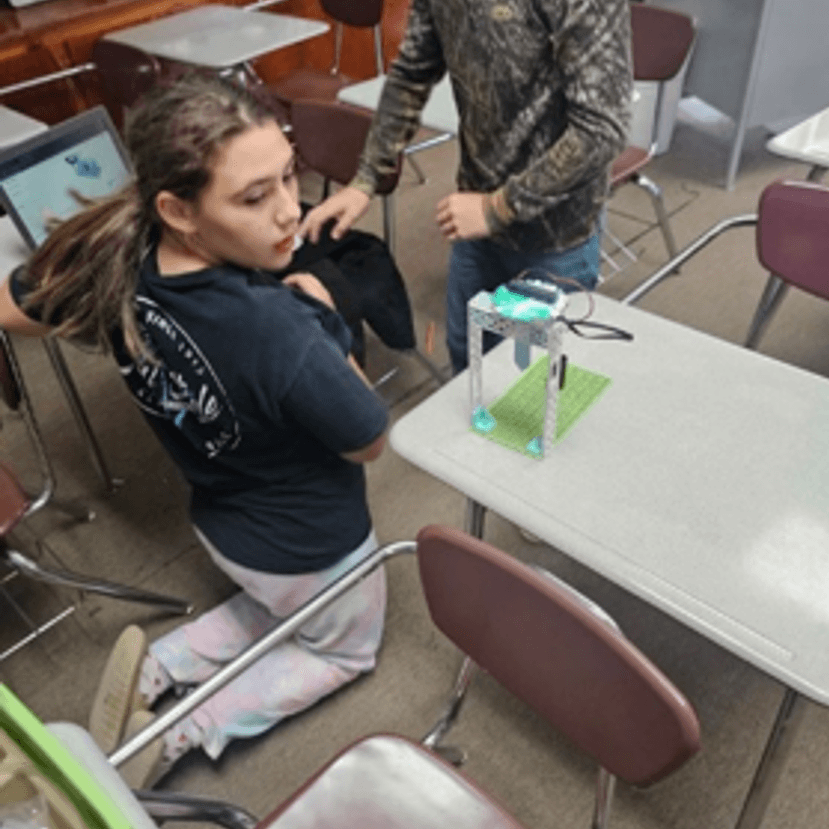
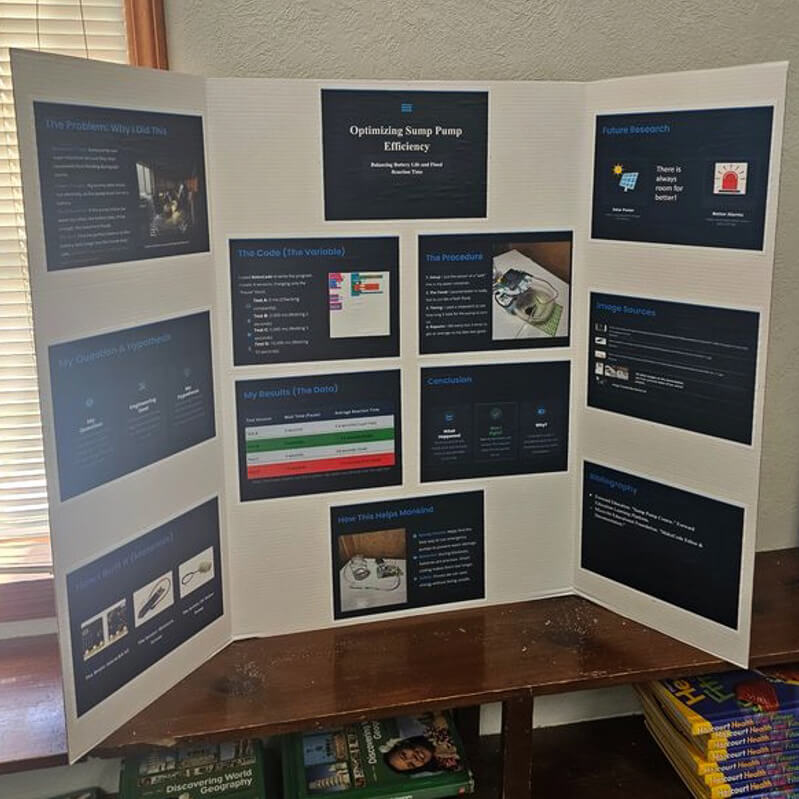
Their engineering challenge focused on a problem with real community relevance: flooding in storm shelters. Caslyn and Kolten designed a battery-backed system that could detect rising water levels and automatically activate a pump during power outages, helping protect people and property until electricity was restored.
Throughout the year, regular online letter exchanges with their eMentors became an extension of the classroom. Rather than simply answering questions, the mentors provided encouragement, shared authentic engineering experiences, offered technical feedback, and challenged the students to reflect on their design decisions to consider alternative solutions, and communicate their ideas more effectively.
Their teacher, Kris Larsh, Academic Coach and STEM/Science Teacher at Stonewall Public Schools’ McLish Annex, witnessed the transformation firsthand: “The TryEngineering Together program gave my students the foundational engineering tools, industry expertise, and personal confidence to not only survive that transition, but to truly excel on a competitive regional stage.”
That confidence became especially evident as Caslyn and Kolten prepared for a regional university science competition. What began as hesitation evolved into self-assurance. They practiced presenting their work, responded thoughtfully to feedback, and learned to explain the purpose and impact of their design with clarity and confidence.
Their hard work earned First Place in Engineering and Second Place in Engineering and Embedded Systems. While those awards recognized the quality of their engineering solution, the most meaningful outcome was the students’ personal growth. Caslyn reflected on the experience by writing to her eMentor, “My project was about flood protection, so I’m very excited to do more things.” Kolten expressed heartfelt appreciation, writing, “I just want to thank you for helping me and supporting me with my project.” Those simple words capture the lasting impact of meaningful mentorship.
The yearlong eMentoring experience gave Caslyn and Kolten more than an engineering project. It provided authentic problem-solving opportunities, meaningful relationships with STEM professionals, and the confidence to see themselves as capable learners and future innovators.
Their story demonstrates the power of connecting classroom learning with real-world engineering. Through mentorship, hands-on design challenges, and encouragement from caring educators and eMentors, curiosity became confidence, confidence became achievement, and achievement became a foundation for future STEM success.

Designed a real-world battery-backed monitoring system for stor shelters.
2. Finding His Own Path
Every student begins their STEM journey from a different place. Some eagerly tackle new challenges, while others need encouragement to trust themselves and take the next step. At SOAR Prep Academy in Lancaster, California, Ethan discovered that engineering isn’t about having all the answers, but about asking questions, thinking critically, and learning through the process.
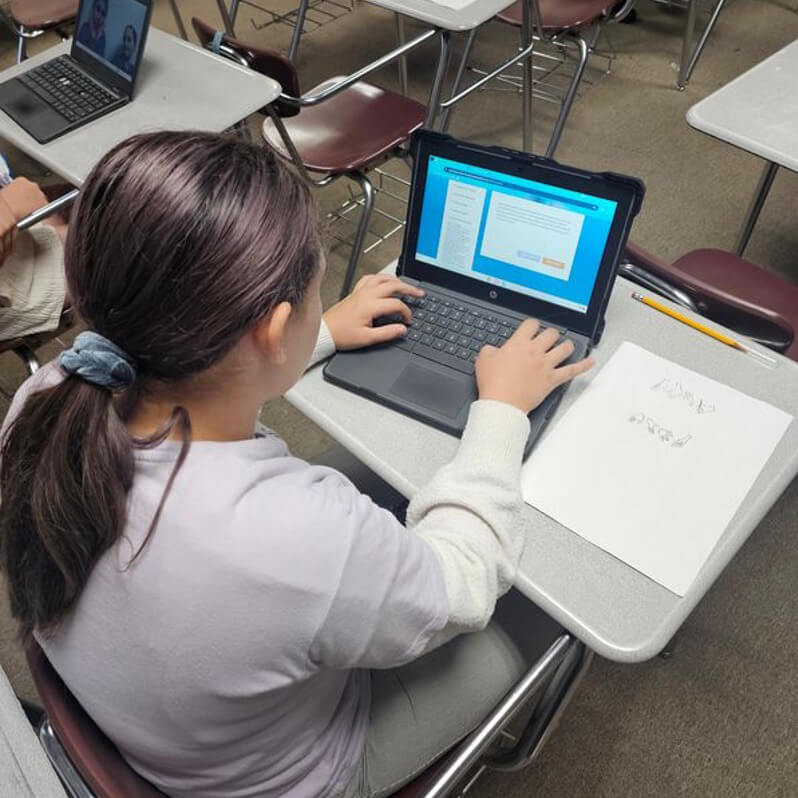
Through TryEngineering Together, a year-long mentoring program that connects middle school students with volunteer STEM professionals, Ethan exchanged letters with his eMentor, Scott, who helped bridge the gap between classroom learning and real-world engineering. Scott encouraged Ethan to think like an engineer by asking thoughtful questions, exploring different solutions, and connecting STEM concepts to authentic engineering work.
When Ethan first joined the program, he often looked for reassurance before moving forward with assignments or projects. That same hesitation appeared in his early letters. As the year progressed, however, something began to change. His conversations became longer and more reflective, his questions more technical, and his confidence more evident. Instead of waiting for approval, Ethan became an active participant in discussions about engineering, technology, and problem-solving.
Nathan Armentrout, the teacher, observed that the year-long eMentoring relationship transformed Ethan from a reserved student into a confident communicator who demonstrated noticeable growth in critical thinking, professional interaction, and independent problem-solving. By coaching Ethan toward solutions rather than providing answers, Scott helped him develop the mindset engineers use every day.
The greatest evidence of Ethan’s growth came in his own words: “I feel that in my life and my plan for the future that, when working with technology, my limiting factor is my inexperience…but I’m working on it!”
That simple reflection captures the transformation that took place throughout the year. Rather than seeing inexperience as something holding him back, Ethan began to view it as an opportunity to learn, grow, and improve.
Ethan’s experience was echoed by classmate Brynn, whose mentoring relationship helped her become more confident sharing ideas, asking deeper questions, and exploring engineering challenges. Through conversations with her eMentor, she developed stronger communication and critical-thinking skills while discovering that engineering is built on creativity, collaboration, and continuous learning. She also became increasingly interested in the role of women in STEM and grew more comfortable expressing her own ideas and solutions.
Together, their experiences demonstrate the lasting impact of TryEngineering Together. By pairing students with practicing STEM professionals who encourage curiosity instead of simply providing answers, the program helps young people build confidence, strengthen problem-solving skills, and discover their own path toward future opportunities in STEM.
Thank you for all your great ideas, the mouse trap car, fun facts about LIDAR, and Waymo! I loved the northern lights story and the waterfall! We both eagerly waited for our letters. It was great meeting and talking to you. Thank you for your letters!

Learning
eMentorship transforms uncertainty into curiosity—and curiosity into confidence.
3. Building an Engineer's Mindset
At the beginning of the school year, Ibraheem already knew he enjoyed building things. He loved cars, science, and math, and imagined a future working as a mechanic or engineer. But like many middle school students, he had only a general idea of what engineers do.
That began to change through TryEngineering Together’s year-long eMentoring program, where he spent the school year exchanging letters with Keven, a propulsion engineer who designs rocket boosters for NASA and other space programs.
From their very first exchange, Ibraheem was captivated by his mentor’s work. After learning about Keven’s career, he wrote, “I like many jobs in STEM… Mechanics, Engineers, and now that I’ve heard about your job it sounds really cool and I kind of wanna do that.”
Those conversations quickly became much more than career exploration.
Throughout the year, Keven connected classroom STEM lessons to the real engineering challenges he faced every day—designing rockets, building spacecraft systems, solving problems with renewable energy, and developing new technologies. Instead of simply answering questions, he encouraged Ibraheem to think like an engineer by asking questions of his own and explaining how engineers learn through testing, experimentation, and persistence.
Inspired by these conversations, Ibraheem’s curiosity expanded well beyond the classroom. He asked thoughtful questions about solar energy, rocket boosters, spacecraft, robotics, engineering teams, and even how engineers manage the pressure of working on projects where mistakes can have serious consequences. As his understanding grew, so did his confidence in discussing increasingly complex STEM topics.
One of the strongest examples of that growth came during his school’s science fair.
Working with classmates, Ibraheem designed and tested three bridge structures to determine which design could support the most weight. Rather than simply completing the assignment, he eagerly shared the engineering results with his mentor.
“The Truss bridge ended up holding 50 lbs. before it started crumbling and our arch bridge only ended up holding 9 lbs. and the suspension bridge only held 4 lbs.!”
The excitement didn’t stop there.
A few weeks later, he proudly wrote that his team had earned second place in the entire grade and would present their project at Morgan State University—an accomplishment that reflected months of collaboration, testing, and perseverance.
As the year progressed, it became clear that Ibraheem wasn’t simply learning more facts about science, he was developing an engineer’s mindset.
After reading an article about Formula One racing, he recognized something many adults overlook, writing that “lots of effort is needed to make a Formula One car and many of the tiniest details have to be taken into account when perfecting the car.”
That observation reflected a deeper appreciation for precision, systems thinking, and continuous improvement, the same principles professional engineers apply every day.
At the heart of Ibraheem’s growth was the eMentoring relationship he built with Keven. Alongside discussions about rockets and renewable energy, the two exchanged stories about travel, sports, scuba diving, skiing, favorite places to visit, and future goals. Those personal conversations built trust and created an environment where Ibraheem felt comfortable asking questions, sharing accomplishments, and imagining his future.
With the final letter, the impact of the relationship was unmistakable.
“You helped me with things that will be helpful for me in the future… you shared things about your job and it seemed very cool.” He concluded, “This experience and all your help has truly meant something to me.”
Ibraheem’s journey demonstrates what makes TryEngineering Together unique. Through year-long mentorship with a practicing engineer, students don’t simply learn about STEM—they begin to think like engineers. By asking questions, solving authentic problems, applying the engineering design process, and building meaningful relationships with STEM professionals, students gain the confidence to imagine themselves pursuing futures in engineering and other technical careers.
You helped me with things that will be helpful for me in the future… This experience and all your help has truly meant something to me.
4. Learning Like an Engineer: A Year of Growth Through Mentorship
What happens when middle school students are paired with STEM professionals who encourage them to ask questions, solve authentic problems, and connect classroom learning to real careers?
That question is at the heart of TryEngineering Together, a year-long mentoring program that connects middle school students with volunteer STEM professionals through regular online letter exchanges. As students participate in hands-on engineering activities in the classroom, eMentors encourage them to think critically, ask meaningful questions, and connect what they are learning to authentic engineering careers. Together, mentorship and project-based learning help students build confidence, strengthen problem-solving skills, and begin to see themselves as future innovators.
For one student at Whitesburg Middle School in Huntsville, Alabama, the experience transformed an existing interest in STEM into genuine engineering thinking.
At the start of the school year, STEM was already something this student enjoyed. They were curious about engineering, vehicles, and technology, but many of their ideas were still based on interest rather than experience. Through TryEngineering Together, those interests gradually developed into the mindset of an engineer.
The heart of the program was the year-long eMentoring relationship. As the student exchanged letters with a professional engineer throughout the school year. Their conversations quickly moved beyond simple introductions. They discovered shared interests, exchanged stories about travel and hobbies, and celebrated important moments throughout the year. These authentic conversations were built trust and created a relationship where learning felt natural.
As the mentoring relationship grew, so did the depth of the student’s STEM thinking. Rather than simply reading articles about science and engineering, the student began analyzing real engineering challenges. Discussions about concepts like space elevators, artificial intelligence, advanced materials, and environmental science encouraged them to think beyond “What is it?” and instead ask, “How would we actually build it?”
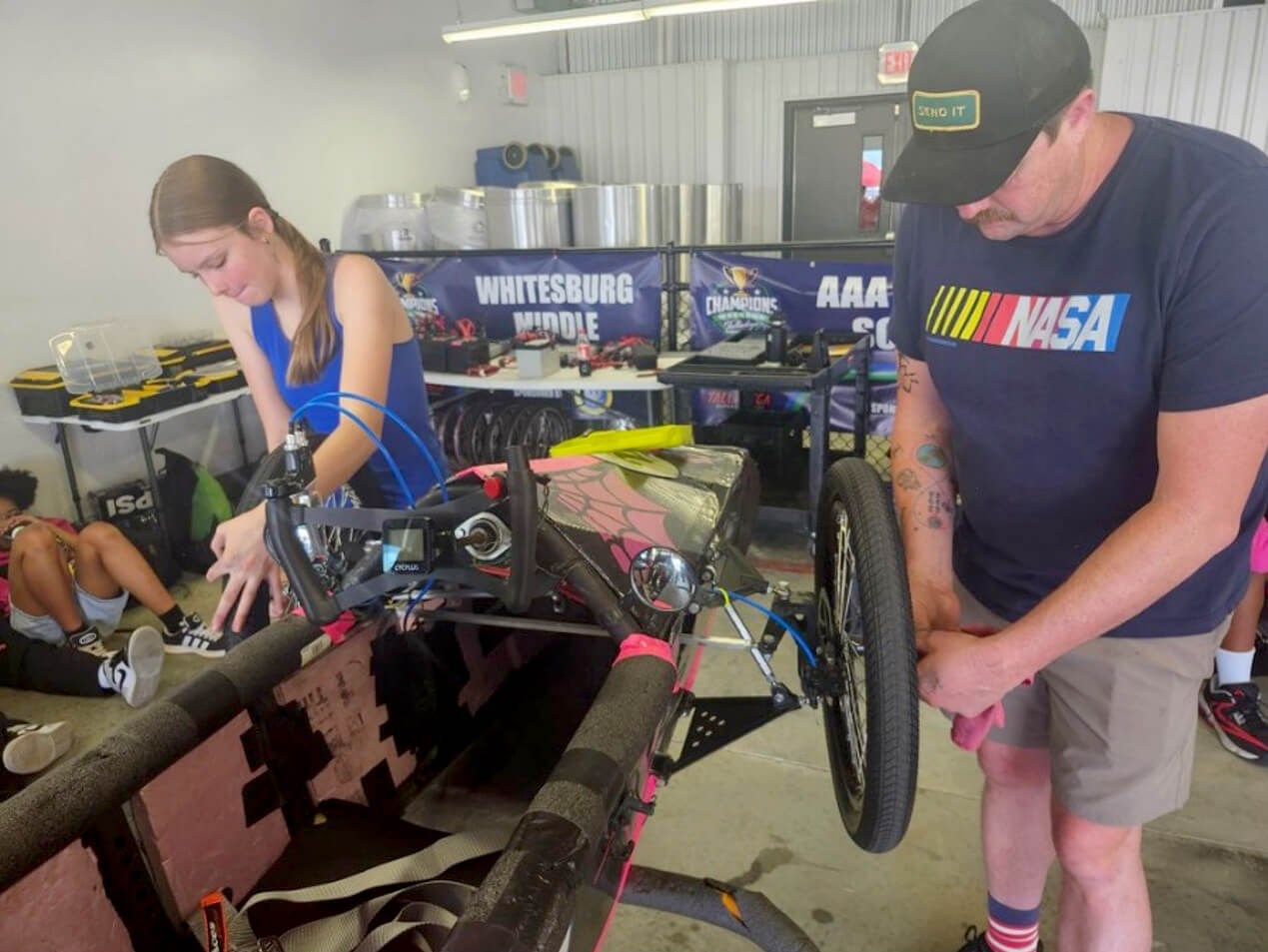
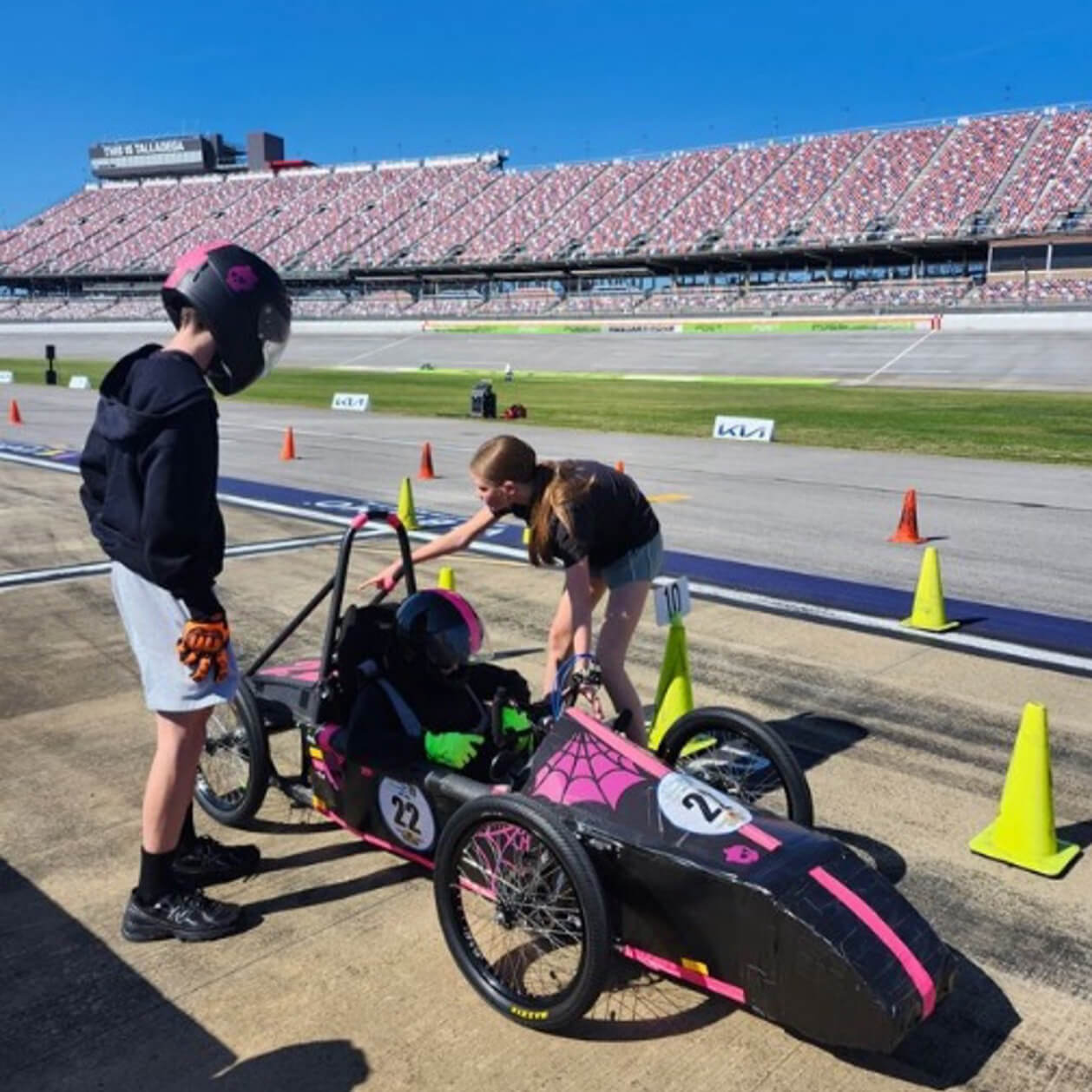
That engineering mindset also came to life in the classroom through the Greenpower electric racing program, where students design, build, test, and race electric cars while applying the engineering design process to solve real-world challenges. Working in teams, they analyze performance, troubleshoot mechanical issues, test improvements, and refine their designs to improve the car’s speed, efficiency, and reliability. For many students, Greenpower is their first opportunity to experience engineering from concept to competition.
As Nancy Junkins, STEM teacher at Whitesburg Middle School in Huntsville, Alabama, reflected: “My STEM classroom is designed to support hands-on learning. Having these eMentors as a resource gave my students confidence in their project. These students entered the Greenpower program having little experience in work projects. They learned collaboration and were encouraged by engineers in the workforce. They completed the Greenpower season 7th in the nation, being one of the top racing teams in the state. The relationships built with the eMentors inspired my students to pursue Engineering and Career Tech paths in high school.”
Working alongside teammates to build, test, and improve the electric race car gave the student firsthand experience with the engineering design process. Every adjustment became an opportunity to learn. Problems were analyzed, solutions were tested, and performance steadily improved through persistence and teamwork.
By the end of the season, the students proudly shared that their Greenpower car was “running much better” and that the team had earned first place in two consecutive races. Those victories represented much more than trophies—they reflected countless hours of troubleshooting, collaboration, redesign, and problem-solving. The team’s season concluded with a 7th-place national finish, making them one of the top Greenpower racing teams in Alabama.
Throughout the year, the eMentor reinforced these experiences by connecting classroom activities to real engineering work. Rather than providing answers, he challenged the student with thoughtful questions that encouraged deeper analysis. He explained how engineers test materials; redesign failed prototypes and solve complex problems through persistence. By sharing examples from his own career, he demonstrated that engineering is an ongoing process of learning, testing, and improving. By the end of the school year, the transformation was clear. What began as an interest in STEM had evolved into authentic engineering thinking. The student learned to analyze problems, work collaboratively, test ideas, communicate effectively, and persevere through challenges.
This story illustrates the unique value of TryEngineering Together. By combining year-long mentorship with hands-on engineering experiences like Greenpower, students gain both technical skills and the confidence to envision themselves as future engineers. As this student’s journey at Whitesburg Middle School demonstrates, meaningful mentorship can transform curiosity into capability and inspire students to pursue engineering, Career Tech pathways, and other STEM opportunities.

7th in the Nation
students designed, built, and raced electric cars
Ready to help students build confidence through meaningful eMentoring?
Learn how CricketTogether connects students with caring adult volunteers through safe, guided online mentoring experiences.