Is there anything more instinctive than a child responding to music?
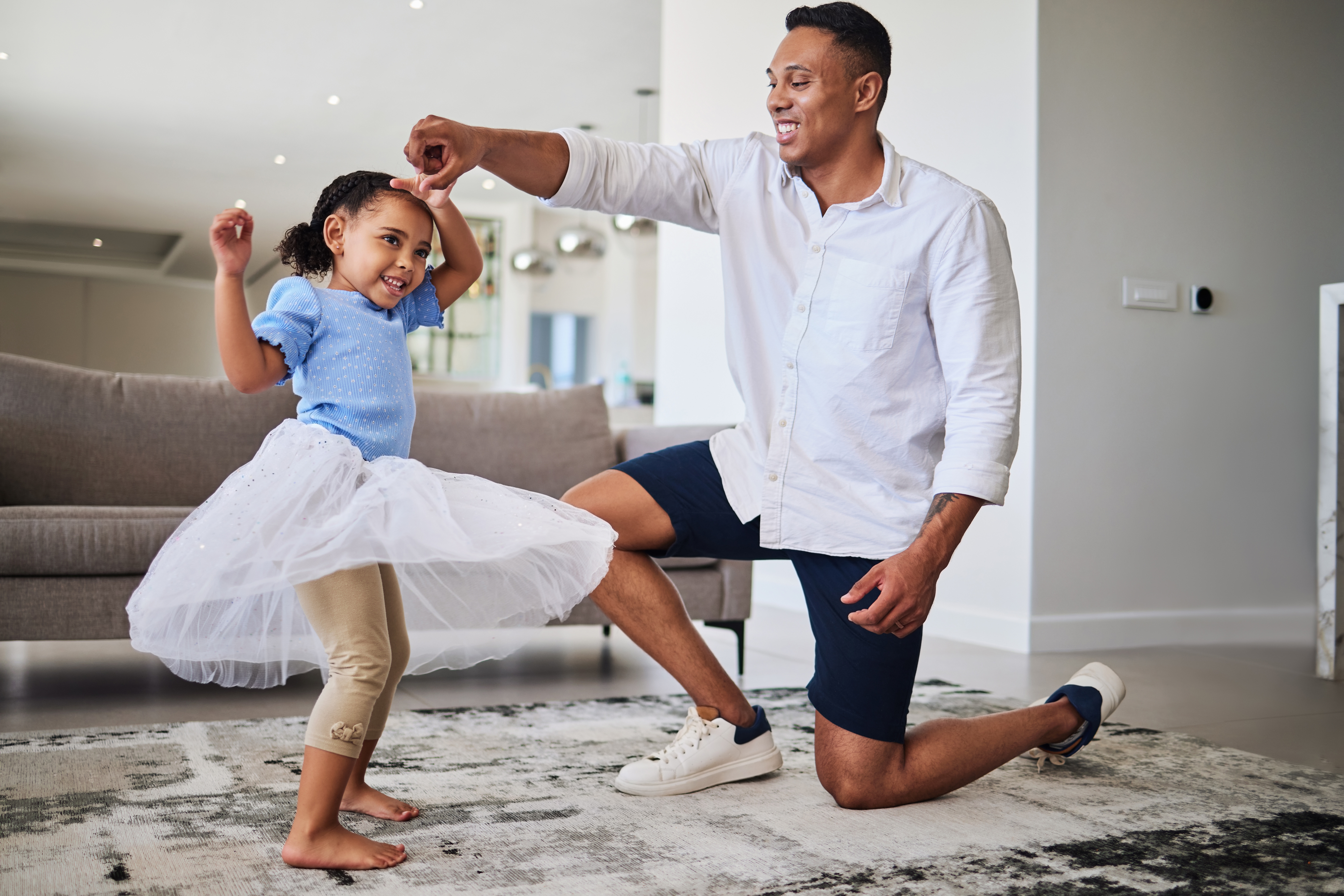
A baby bouncing to a rhythm. A preschooler tapping out a beat on the table. An older child singing along to a favorite song, fully absorbed. It looks like play. And it is. But it is also something deeper.
From the very beginning, music helps children connect, explore, and express themselves in ways that words alone cannot.
Music Helps Children Grow: It Starts as Connection
For the youngest children, music is not something separate from daily life. It is woven into it.
A caregiver humming during a diaper change. A familiar song before bed. Clapping, swaying, and repeating simple rhythms together.
These moments may feel small, but they are foundational. Early research on music and caregiver-infant communication points to something parents often sense instinctively: songs, rhythm, and repetition can help build connection before children have many words.Â
They build shared attention. They create an emotional connection. They establish patterns that children begin to recognize and anticipate.
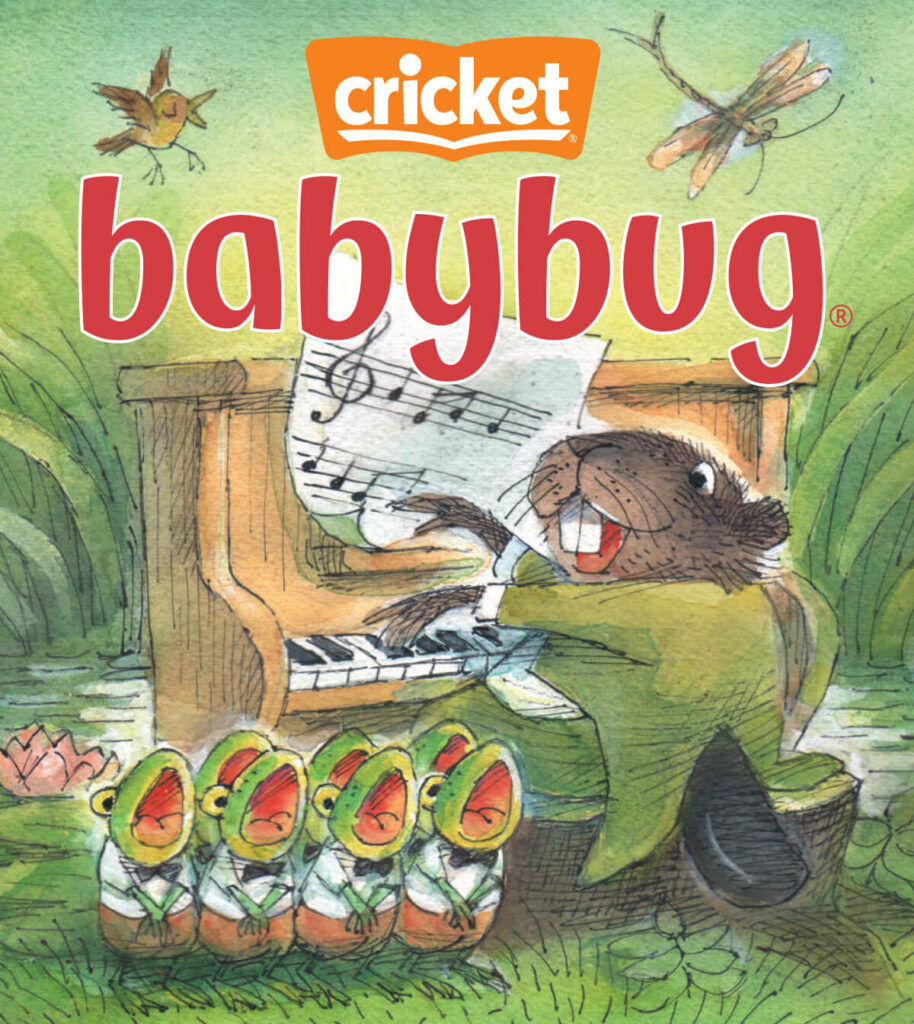
That early relationship with sound, rhythm, and repetition is at the heart of how babies experience the world. It is something explored thoughtfully in the July/August issue of BABYBUG Magazine, where music shows up not as performance but as everyday interaction.
Then It Becomes Exploration
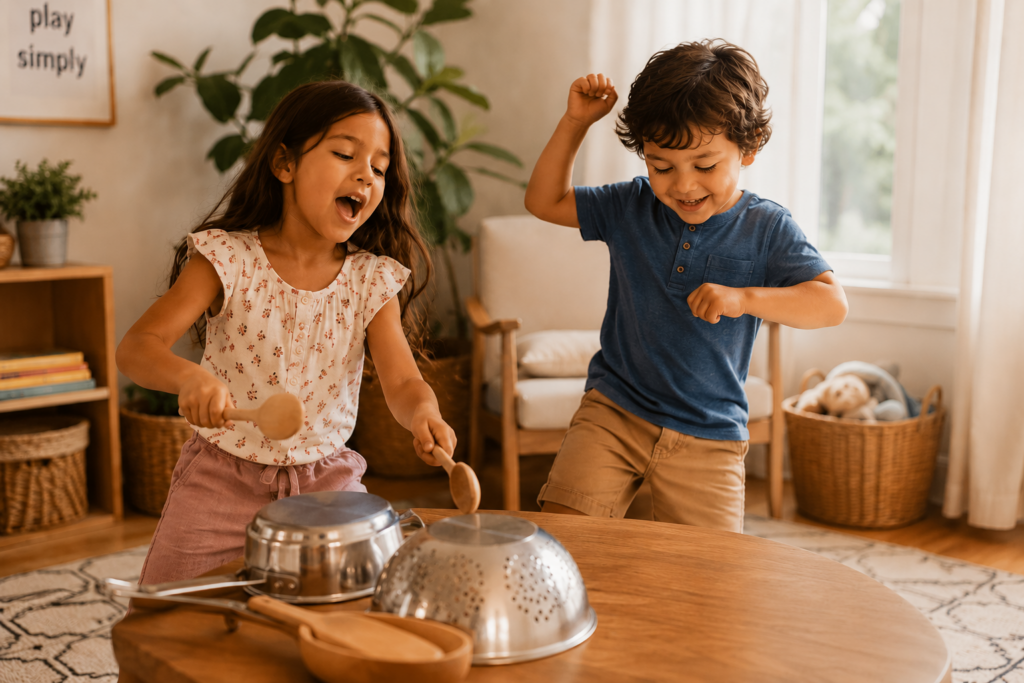
As children grow, music becomes more active. They do not just listen. They experiment. They tap rhythms on surfaces. They invent songs. They turn objects into instruments. They move their bodies in ways that match what they hear.
At this stage, music becomes a tool for discovery. It helps children understand cause and effect. It builds coordination. It encourages creativity without rules.
That kind of open-ended creativity is increasingly valued by parents looking for more intentional, less overstimulating childhood experiences, part of the broader shift toward what some have called “low-tech parenting.”
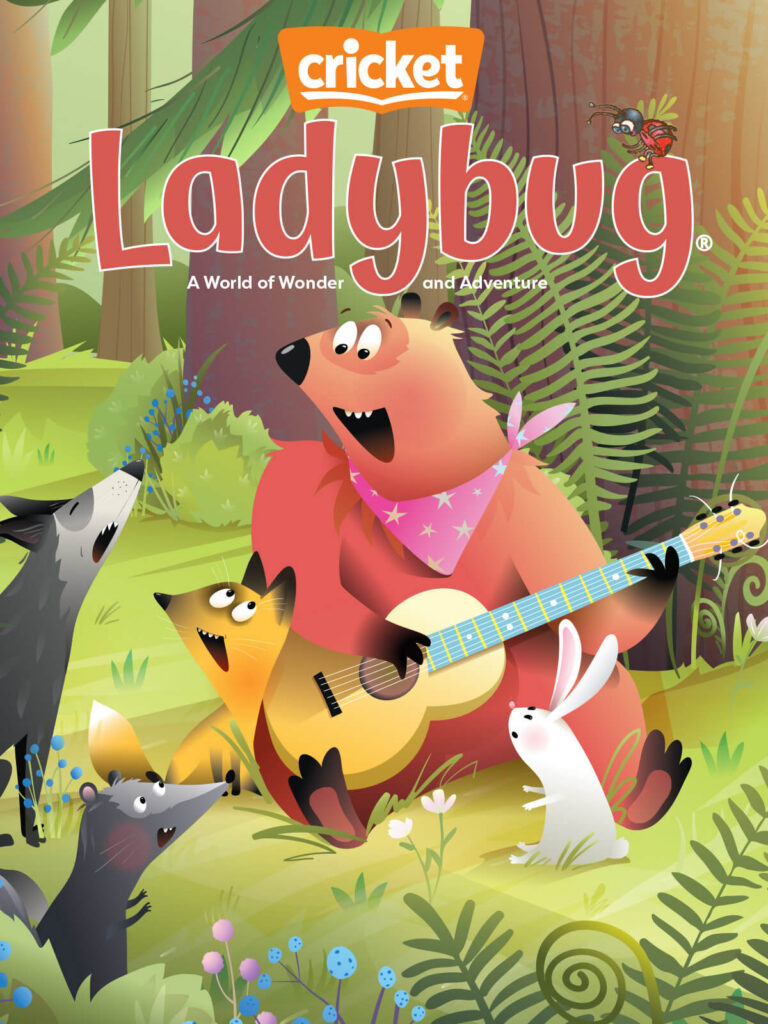
The July/August issue of LADYBUG Magazine reflects that same spirit, where music is something to play with, not perfect.
Music Becomes Personal
As kids get older, something shifts.
Music becomes less about sound and more about meaning.
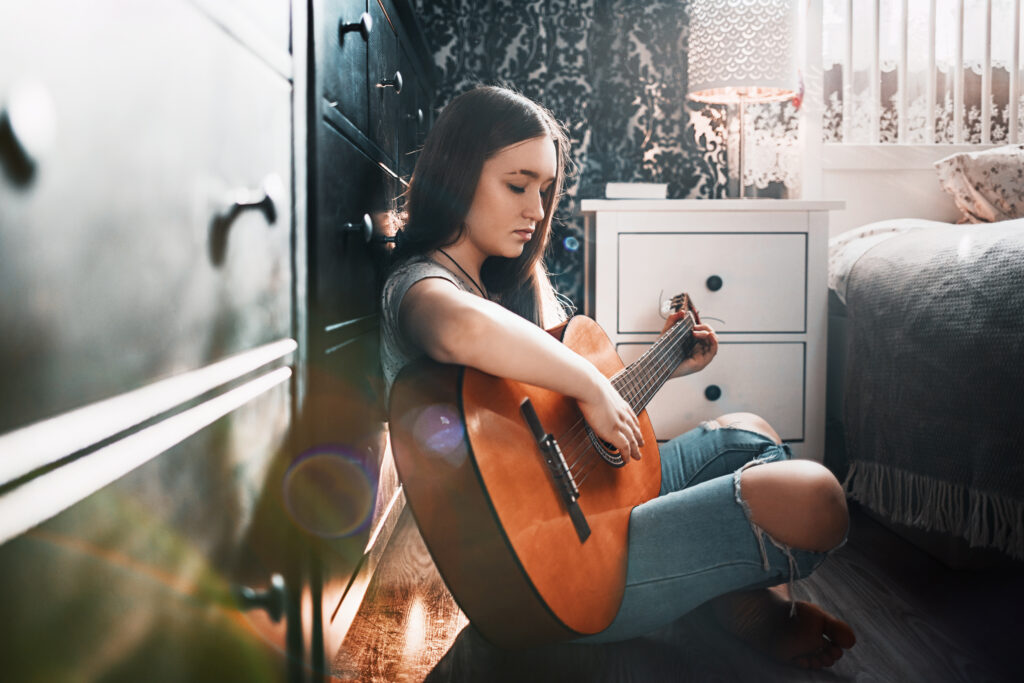
Children begin to connect with certain styles, artists, and stories. They start to see themselves in what they hear. They may begin writing lyrics, experimenting with sound, or forming opinions about what resonates. Music becomes part of identity.
That progression is similar to what happens with independent reading, where kids begin to choose what reflects their interests and personality.Â
Choosing the Right Magazine for Your Child’s Age and Stage explores how those preferences evolve over time.
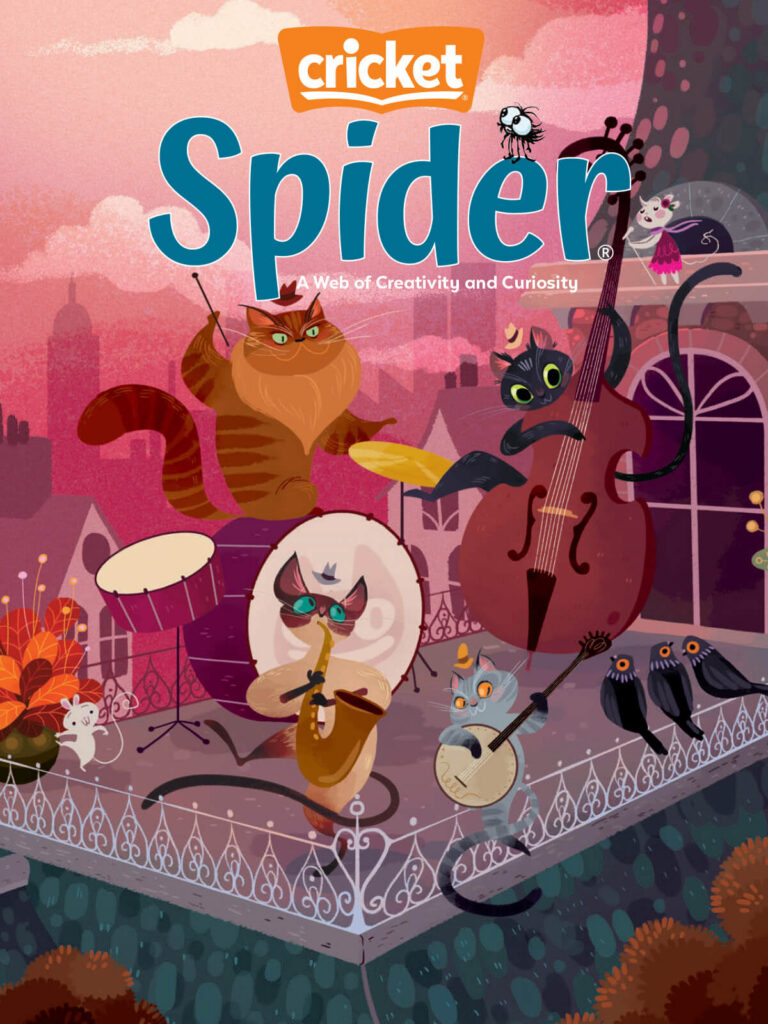
Stories of artists like Opetaia Foa’i or Fyütch and Aura V, featured in SPIDER Magazine, show how music becomes both creative and deeply personal.
And Eventually, It Becomes Perspective
By the later elementary and middle school years, music often expands again. It becomes a way to understand the world.
Through lyrics, history, and cultural context, kids begin to see how music can tell stories, bring people together, and reflect larger ideas. It becomes something to think about, not just experience.
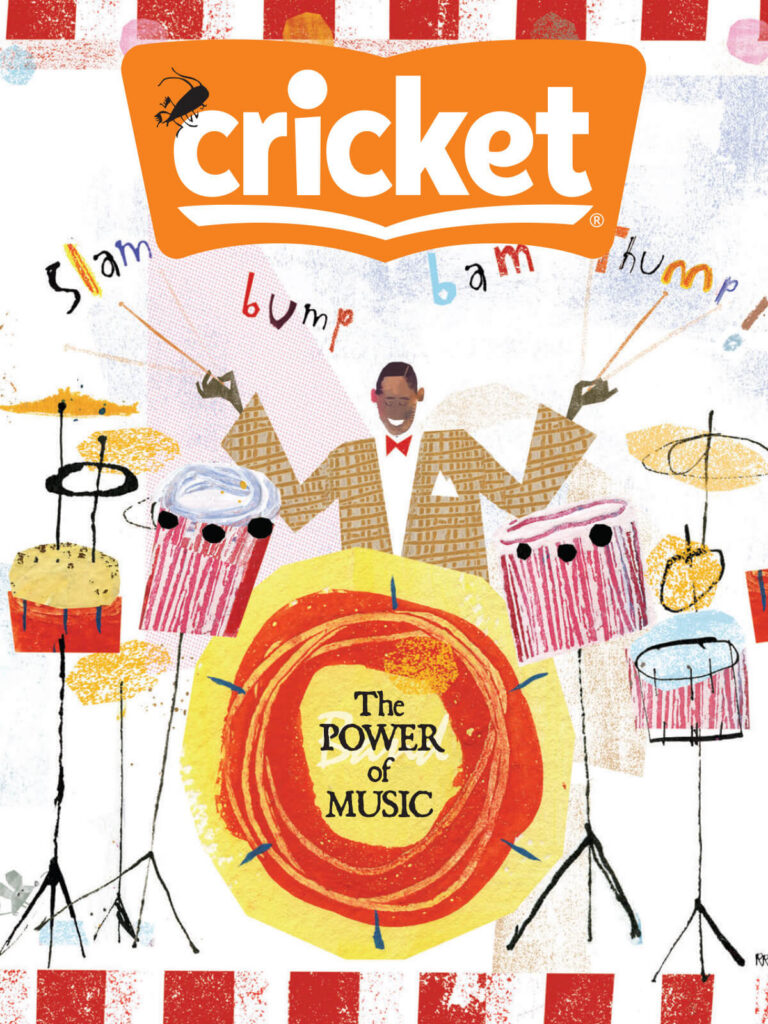
The theme of “The Power of Music,” explored in CRICKET Magazine, reflects this broader role, asking why music matters across cultures and generations.

What This Means for Parents
Music is easy to overlook because it feels informal. There is no clear milestone. No structured progression. No right way to do it.
Across every stage, music supports:
- emotional expression
- language and listening skills
- creativity
- confidence
- connection
And it does not require formal instruction to be meaningful.
Often, the most important moments are the simplest:
SINGING IN THE CAR
DANCING IN THE KITCHEN
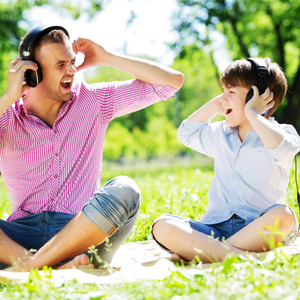
LISTENING TOGETHER
Final Thought: How Music Helps Children Grow
MUSIC GROWS WITH YOUR CHILD.
It starts as connection. Becomes exploration. Turns into expression. And eventually, becomes meaning.
You do not need to direct it.
You just need to make space for it.
Make Music Part of Every Day!
If your child is drawn to music right now, it can be helpful to follow that interest across different kinds of experiences.
This summer, all four Cricket Media magazines explore music in ways that reflect each stage of childhood.
From first sounds and movement to creativity, identity, and meaning, each issue meets kids where they are.