

Every April Fool’s Day, online misinformation hits its peak. Kids and adults alike need to evaluate everything they read, see, and hear with extra caution to avoid getting fooled. That said, people have fallen for misinformation and fake news stories for centuries, since long before the internet.
The latest issue of CRICKET Magazine details some of the most famous hoaxes in history, like a 1957 BBC news story about Swiss spaghetti farmers. The BBC’s audience saw the footage of the spaghetti tree with their own eyes, covered by a trusted news source, and they believed it was true. They just forgot that it was April Fool’s Day.
But learning to understand what’s real and what’s fake is an important skill for every media consumer– and not just on April Fool’s Day. With the rise of AI, it’s easier than ever to trick people with fake content.
We know parents care about what their kids consume online. Providing safe, secure online content for kids is one of our chief priorities. But how can we help them become expert misinformation sleuths? Here are some of our top tips for parents and kids navigating the web in this tricky age.

Look for small details!
Your first tool in combating online misinformation? Your own eyes! While AI gets better and better every day, you might spot some details in fake content that just looks a tiny bit… off.
Count the number of fingers on people’s hands. Make sure mouth movements match words. Look at the words on people’s clothing or on signs or book covers to ensure they’re real words and not just a vaguely word-shaped blob. Objects and people in the background may be less detailed. Check for signs of distortion in the background, in lighting, and in movement. (AI generated videos may include more abrupt, strange movements.) Also, AI generated photos and images may look unnaturally smooth, bright, and shiny.
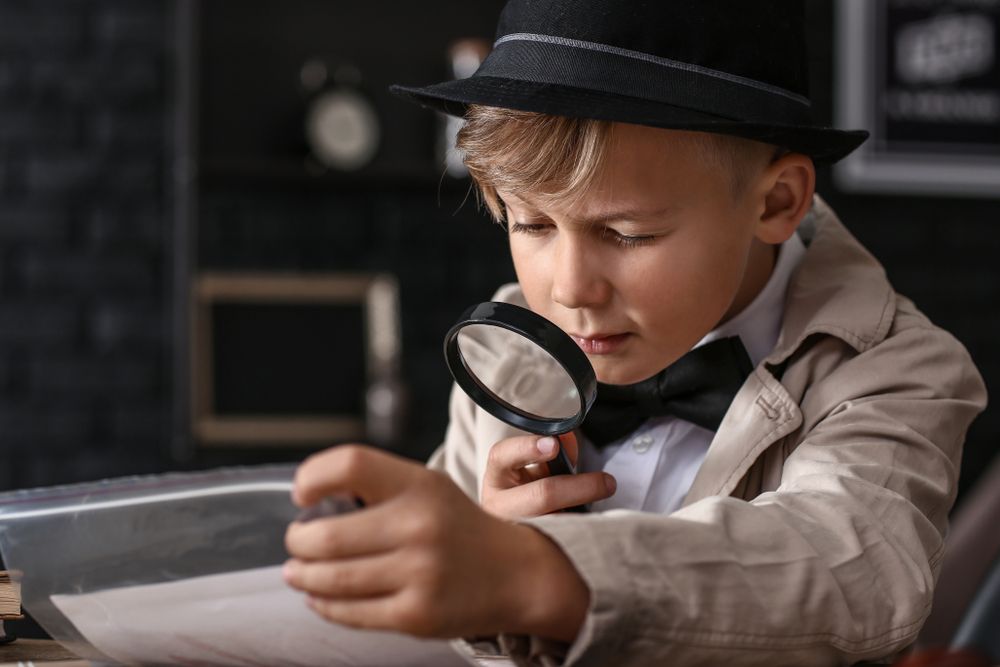
Look for backup: double check everything!
The next step is to track where this information is coming from. For example, let’s say your child finds a video of a kid crying next to burned-out wreckage. A voiceover claims that Disneyland has burned down due to California wildfires. Obviously your child is deeply distressed by this news. But wait! Who posted this video? Is it a major news outlet, a trusted organization, or just an independent poster? “TikTok said” or “Instagram said” or “ChatGPT said” or even “Google said” are not reliable sources.
If Disneyland really did burn down, there would certainly be other stories and videos about it. It would make major news. If you can’t find out any other sources about Disneyland burning down– or they all link back to this same video of one crying girl– then it’s probably a sign that it didn’t really happen.
Where is this story coming from?
Not all misinformation is an intentional hoax. Maybe the person who made it fell for misinformation and is innocently spreading it around. Maybe your child sees a video of a mom warning people that, according to a USA Pediatric Group study, kids who drink tap water are more likely to get the flu.
A quick search for “USA Pediatric Group” (in quotes like that!) will reveal that no such organization exists. This is yet another kind of trick that has fooled people for decades. In 2015, news media worldwide announced the Institute of Diet and Health’s delicious finding that eating chocolate every day could help people lose weight. Unfortunately for us all, the Institute of Diet and Health didn’t exist.
You might also find that the “source” cited in the video is the subject of many news stories about controversial or misleading content. Those are not trustworthy resources, either.
Have fact-checking sources on standby.
For older kids or parents, there are several websites out there that specialize in keeping track of what’s real or fake online. Snopes.com is a great source for flagging misinformation. PolitiFact covers recent viral fake news hoaxes. (If your child sees a video claiming that a major political figure has died, this is the place to go.)

What do they want from you?
Would a bad guy have something to gain from tricking people online? Someone trying to scam you personally may be trying to take your money or personal information. What about someone reaching wider audiences in a social media video?
Shocking online content creates strong emotions. Strong emotions make people more likely to click, comment, or share– and they may move more quickly, without taking time to react. More engagement makes the content go even more viral.
Help your child understand that content designed to scare, anger, or confuse them is designed to manipulate them into spreading the misinformation. Help kids nip the misinformation in the bud by avoiding sharing it or reacting to it until they’ve double-checked it.
Targeted algorithms mean that people often receive misinformation that aligns with their own beliefs and interests. Content about the topics we care most about is even more likely to make us emotional, so watch out for those signs of emotional manipulation and sloooowww down!
Train your brain
Every issue of CRICKET Magazine contains a wonderful way for kids to practice their skills at discerning fake content. The recurring “News or Not” feature includes an array of fascinating short news stories that may appeal to kids– with one twist. One of them is made-up!
Kids can examine the details of each story closely to evaluate which one is fake, then check the back of the magazine for answers. The most recent issue includes a newly discovered dinosaur, a new event at the Paralympics, a lesser-known sense called “remote touch,” and, appropriately enough, the pitfalls of AI-generated wildlife videos. Can you guess which story is made up? You might have to read the article to find out!

Choose safe content platforms.
As a parent, one of the easiest ways to protect your kids from online misinformation is placing limits on their internet use. For kids under age 10, they probably aren’t ready for unrestricted internet access. Even “YouTube Kids” has been known to let inappropriate or misleading content sneak through their filters.
For a safe streaming platform that can give parents peace of mind, we recommend Sensical. Its content is curated by child development experts and includes parental controls to let grown-ups choose what kids see. Plus, it’s totally free!
Ask a grown-up.
If something is scary, confusing, or hard to believe online, let your kids know that they can always come to you. Spotting misinformation is tricky even for grown-ups. Working together can help you find the answers. Or, if your search for the truth is inconclusive, you can at least talk about it together. Although it can be hard to trust what you see online, you can at least trust one another.
How do you help your kids tell what’s real and fake online? We’d love to hear your stories! Want to stay tuned to more parenting tips and kids’ media news? Subscribe to our free CHIRP Newsletter to stay in the loop!