When spring turns into summer, many parents find themselves asking the same question:
What are we actually going to do all day?
It’s easy to feel like you need a long list of plans to keep kids engaged—especially if you’re trying to rely less on screens.
But most of the time, what works best isn’t more complexity. It’s simplicity.
The goal isn’t to fill every moment. It’s to have a handful of easy, repeatable ideas that give kids something to return to.
Here are a few that tend to work again and again.

1. Bring Reading Outside
Sometimes the easiest way to refresh a routine is to change the setting.
Reading on a blanket, at a park, or even just on the front steps can make it feel less like a task and more like part of the day.
If you’re trying to keep reading consistent, this guide on how to read more as a family can help you keep it simple and low-pressure.
Sometimes the easiest way to refresh a routine is to change the setting.
Reading on a blanket, at a park, or even just on the front steps can make it feel less like a task and more like part of the day.
If you’re trying to keep reading consistent, this guide on how to read more as a family can help you keep it simple and low-pressure.
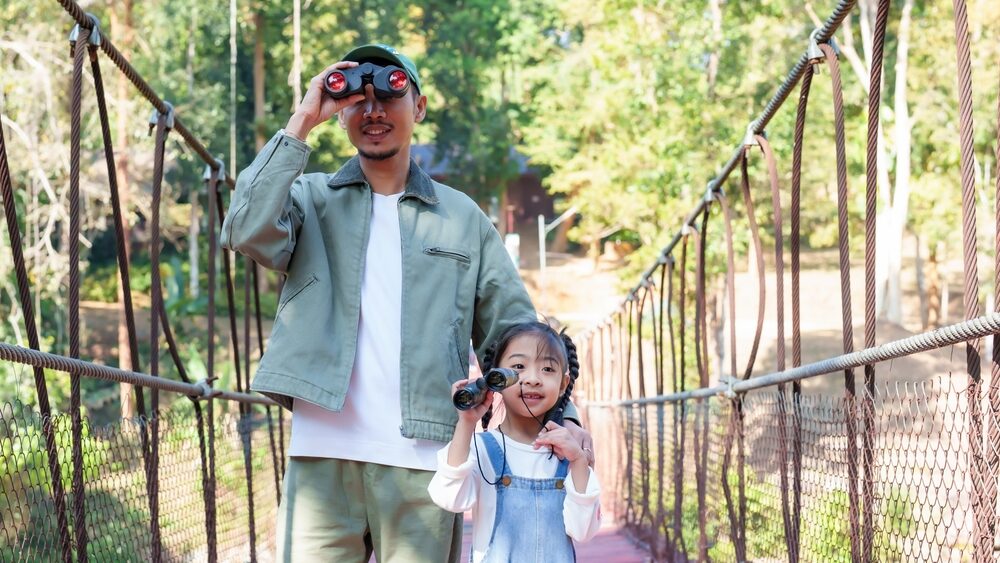
2. Take Simple Nature Walks
You don’t need a destination or a plan.
A short walk around the neighborhood, a park, or a trail gives kids a chance to:
- move
- notice things
- ask questions
The value isn’t in how far you go—it’s in paying attention.
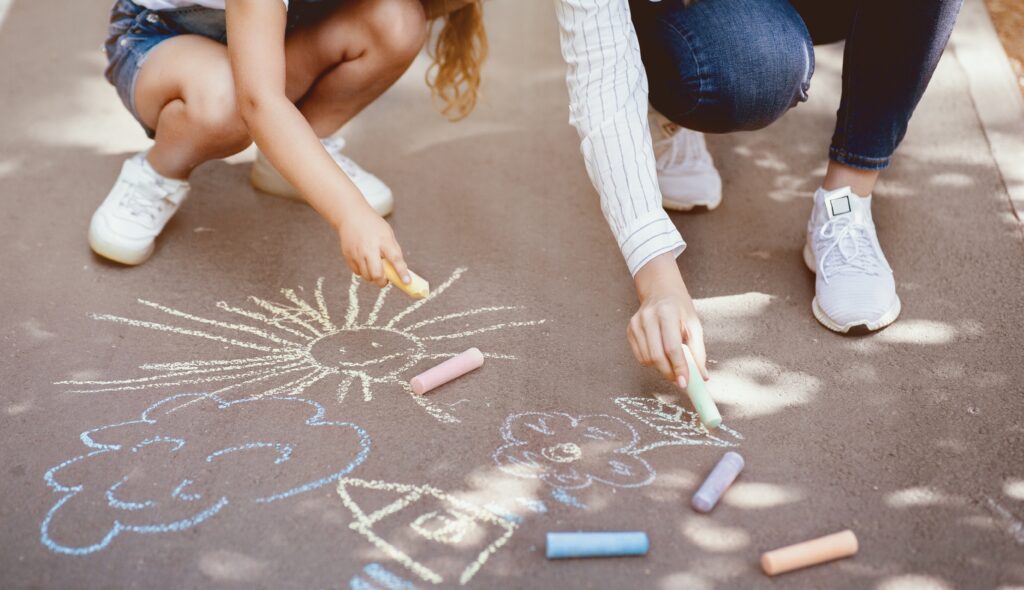
3. Keep Chalk and Art Materials Within Reach
Some of the best activities are the ones kids can start on their own.
Sidewalk chalk, paper, markers, or a simple sketchbook can turn into:
- drawing
- games
- storytelling
- creative play
When it’s easy to access, it gets used more often.
4. Use Water Play as a Default Option
Water is one of the simplest ways to reset a long afternoon.
It doesn’t need to be elaborate:
- a hose
- a bucket
- a sprinkler
- a few cups
It’s low effort and almost always works.
5. Make the Library a Weekly Habit
The library solves a lot of problems at once.
It gives kids:
- new reading material
- a sense of independence
- something to look forward to
And it takes pressure off you to constantly find new things at home.
6. Let Kids Build Something
Hands-on activities tend to hold attention longer than passive ones.
That could be:
- building with blocks or Legos
- creating something from recycled materials
- working on a simple project
The goal isn’t the result—it’s the process.
7. Keep a Loose Daily Rhythm
Even in summer, a little rhythm helps.
That might mean:
- something active in the morning
- something quieter in the afternoon
- a consistent wind-down at night
It doesn’t need to be strict. It just helps the day feel more manageable.
Final Thought
The best summer days are usually the simplest ones.
Not because everything went perfectly, but because there was enough space for kids to explore, play, and settle into their own rhythm.
You don’t need a packed schedule to make that happen. You just need a few ideas that are easy to come back to.
Keep Reading Part of the Day
Even on days that feel unstructured, reading can be a quiet anchor.
Having something engaging nearby—whether it’s a story, a short article, or a magazine—makes it more likely that kids will pick it up on their own.
For many families, titles like LADYBUG (ages 3–6) or CRICKET (ages 9–14) naturally fit into those moments, offering a mix of stories, nonfiction, and activities without feeling like a requirement: