
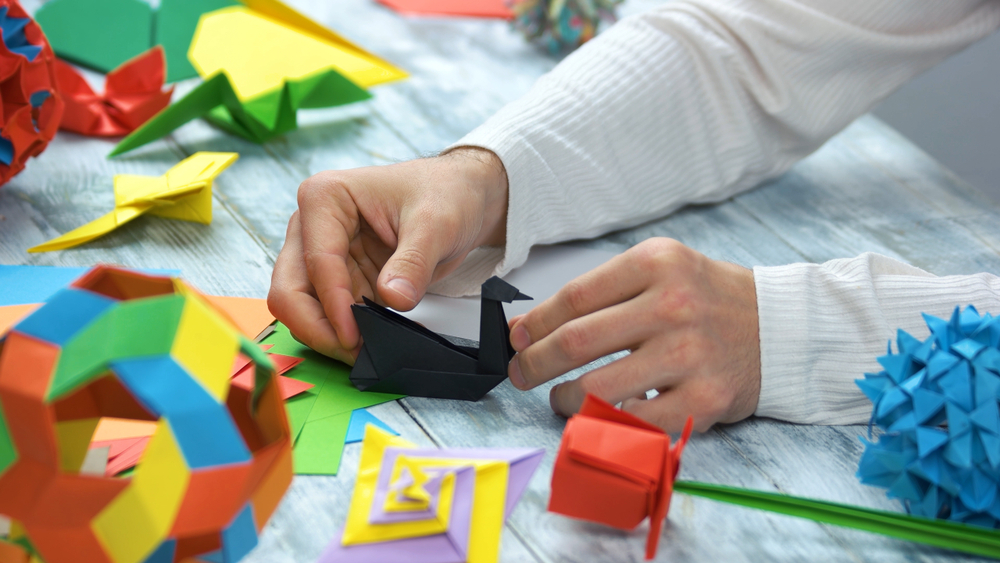
Most of us have dabbled in origami. Maybe we can whip up a paper fortune teller or even entertain our children with a jumping frog. Still, few people today realize the incredible possibilities of origami. Not only does it have a rich cultural heritage, origami has inspired countless innovations, from architecture to aerospace engineering to lifesaving medical devices!
The Japanese word origami comes from the words “ori” (折り), which means “to fold,” and “kami” (紙), which means “paper.” Traditional origami designs are accomplished purely by folding paper, without making a single cut.
In celebration of this unique paper craft, we’re sharing three fun and creative origami crafts that kids can try at home on a long winter day. Stick around for some amazing facts about origami from our award-winning children’s magazines!

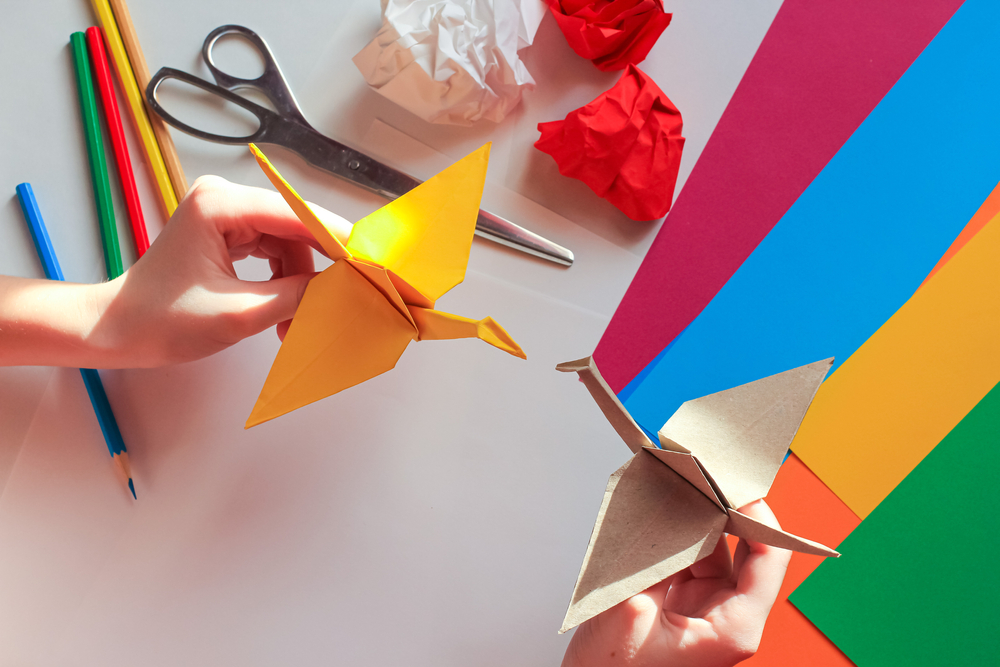
Stunning Origami Swan
This beautiful swan is the perfect starting point for learning the art of origami. Once you or your child has perfected this swan, there’s no telling what you can create next. You simply need one sheet of paper and the diagrams below, created by Nick D’Alto. A few simple folds, and voilà! A gorgeous swan!
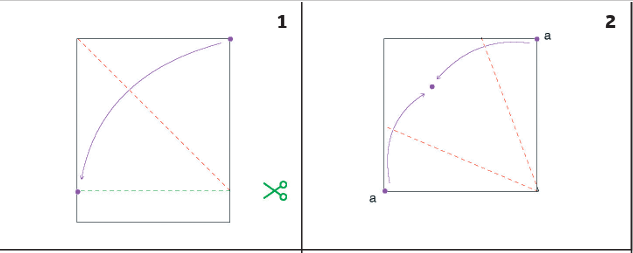
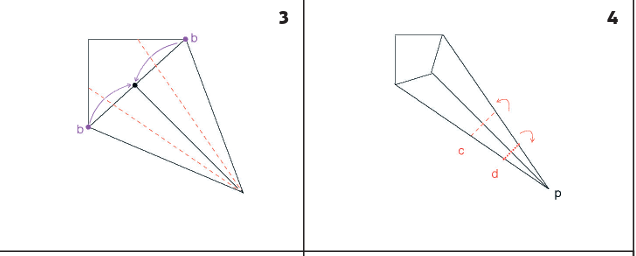
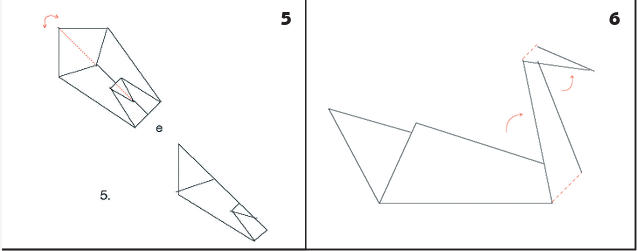
Experiment with positioning your swan! The swan in the diagram is swimming, but you can also try elongating its neck to make it feed, push back its neck to make it sleep, or give it a shorter neck and a longer head to make a duck instead of a swan!

Fold and Float Boat
The new January/February 2026 issue of SPIDER Magazine features a story called “Sapphire’s Fish,” written by Sharon G. Forman and illustrated by Mary Beth Owens. In it, origami is front and center. A young girl named Sapphire can’t quite seem to perfect her origami boats– they always seem to sink! But when she finds a fish in need of rescue, her infamously less-than-seaworthy boats may be just what she needs to save the fish’s life.
The issue also includes a fantastic step-by-step guide to creating origami boats at home. They don’t just look pretty, either! Unlike Sapphire’s, they actually float. All you need is printer paper, crayons, sticky notes, scissors, and clear tape.
Get the instructions for the “Fold and Float” boat from SPIDER Magazine here!
Origami Balloon
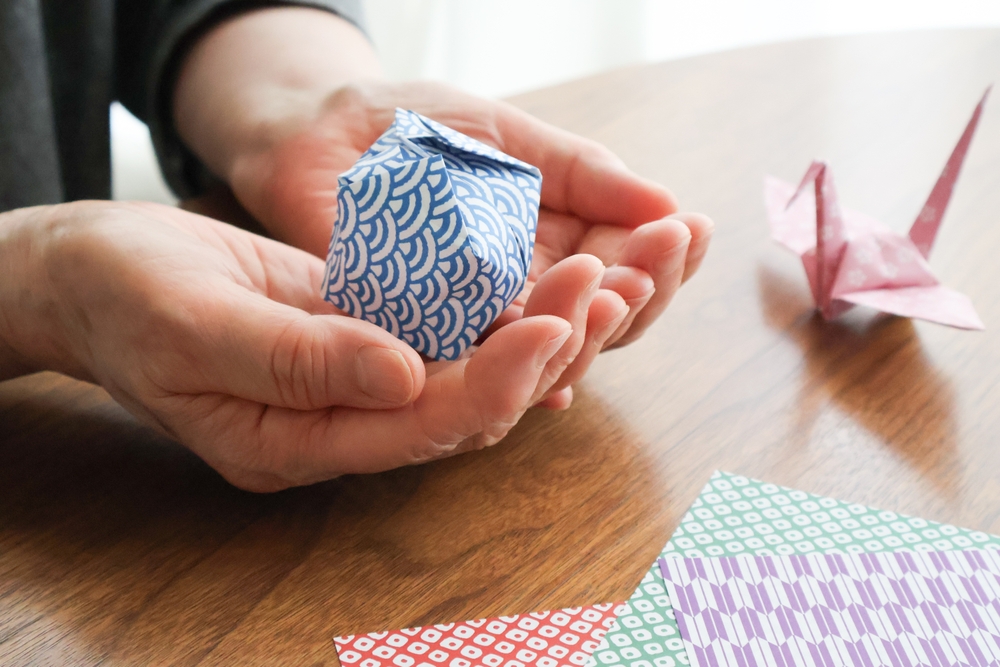
Kids will find this origami balloon particularly fun to make. It requires a secret ingredient: a puff of air from your own lungs to inflate the “balloon!” Believe it or not, though, this design isn’t just for giggles.
A humble origami balloon like this one inspired scientists to create a new type of heart stent, a lifesaving device used to hold open a blocked blood vessel. As designed, would slip a folded-up tube into the blood vessel, then inflate it to keep the vessel open. Soon, this device may become the gold standard for heart surgeons around the world.
Luckily, you don’t need the precision or skill of a surgeon to make this origami masterpiece. Get the instructions here!

How Do Engineers Use Origami?
Think even bigger than heart surgery. Origami is reshaping the world we live in and the ways we explore the universe beyond!
When transporting cargo in outer space, rockets need to use a lot of fuel. The bigger the cargo, the more fuel needed. This can get expensive– and limit the possibilities of space exploration. That’s why today, many aerospace engineers have turned to origami to create designs for massive space exploration tools that can fold up handily into a rocket. The most famous example is probably the James Webb Space Telescope. Its mirror is especially striking. What functions as one big mirror is actually made up of 18 little individual mirrors that fold together in rows. Kids can learn more and even create their own replicas of the mirror here!
Have you ever heard of a starshade? They’re giant structures designed to block the light of a star so that scientists can look more closely at the planets that surround that star. To do its job, a starshade has to be pretty enormous. That’s why NASA is designing starshades that pack up tightly inside a rocket and then unfurl like flowers in space. Pretty handy!
In fact, our TryEngineering Together eMentoring program currently includes a unit on origami and its uses in STEM! Among other things, they learn how the Navy uses origami to design aircraft that fit better on aircraft carriers, allowing them to transport more!

Origami Closer to Home
You might be surprised to learn that origami could change the way we think about housing and transportation! It can take years to build a new house or office building. Imagine how much easier– an cheaper– it would be to house people if buildings arrived in one piece, simply folded up for transportation! Origami could be the key to making housing easier to obtain for all. This could be especially useful in emergency situations that require temporary housing, like natural disasters that displace a large number of people at once.
If you look around you, you’ll see that origami principles are already all around us. When you purchase furniture online, designers use origami to help it pack flat for shipping. Foldable kayaks and tents make outdoor adventures even easier and more fun. Articulated city buses use accordion folds to join together multiple carriages, letting more passengers ride. Even your takeout boxes from a local restaurant are probably made using origami! It’s a surprising skill that never goes out of style.
How do you think origami will help us innovate in the future?