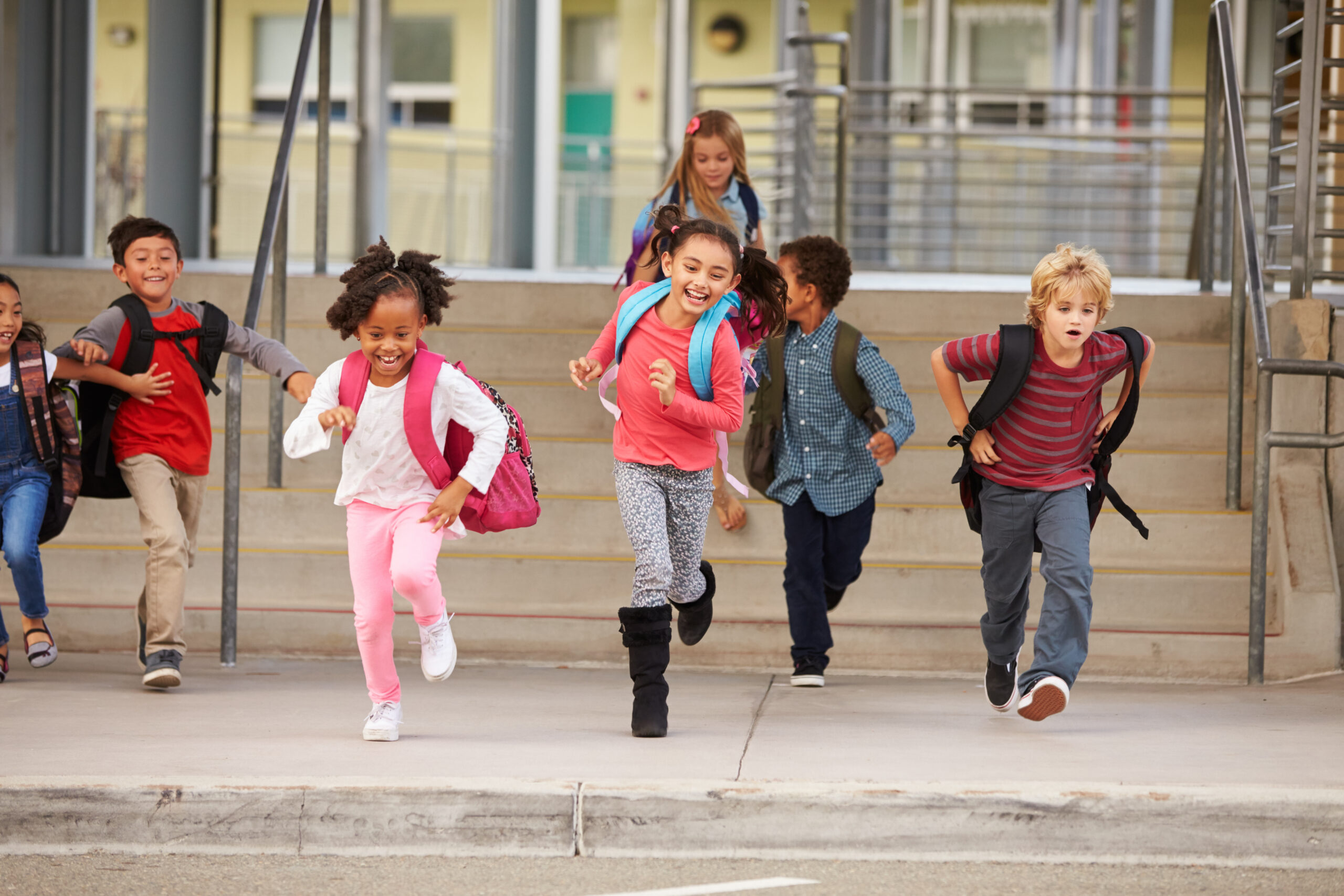
Children celebrating the end of the school year

7 Easy Ways to End the School Year Strong (Preschool to Middle School)

The last few weeks of school can feel like a lot. Kids are excited for summer, tired from the year, and sometimes a little unsure about what comes next. Parents feel that shift too.

The end of the school year is more than a finish line. It’s a transition from one rhythm into another. With a little reflection, a few steady routines, and some room for big feelings, families can help children close the year feeling proud and ready for summer.

Here are 7 SIMPLE WAYS to make that transition feel smoother.

 

1. Start by Looking Back Before Moving Forward

Before summer begins, take a few minutes to help your child notice how much they’ve grown.

You might ask what they learned, what feels easier now, what surprised them, or what they’re proud of from the year. For younger children, this might be a quick conversation at bedtime or in the car. Older kids may open up more casually while doing something else.

It’s not about reviewing performance. It’s about helping them see their own progress.

2. Mark the Moment with Something Small but Meaningful

Kids don’t need a big celebration, but they do notice when something is acknowledged. Children often appreciate small rituals that help them understand a transition.

It could be a last-day-of-school photo, a favorite dinner, or a simple family conversation about the best moments of the year. These don’t need to be elaborate. They just help children create closure and feel that the year mattered.

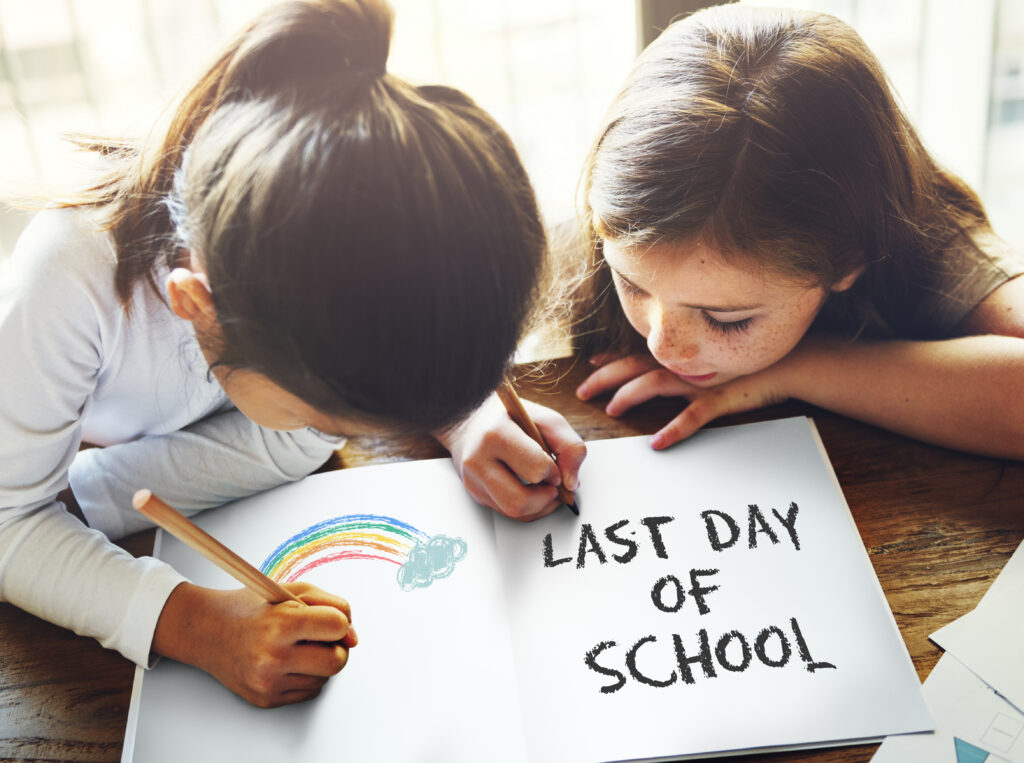
kids making last day of school card

3. Have a “Summer Hopes” Conversation

Instead of trying to plan every day, ask your child what they hope summer will feel like. This builds excitement without pressure.

Maybe they want more time outside, more time with friends, more reading, more rest, or more family time. This gives them a sense of ownership without putting pressure on the season to be perfect.

4. Keep a Few Gentle Anchors in Place

Summer should feel different, a little looser than during the school year, but most kids still benefit from a little structure.

A consistent bedtime range, some outdoor time, and a small daily reading habit can help the days feel steady and grounded without making summer feel over-scheduled.

5. Celebrate Effort, Not Just Outcomes

Not every child ends the year with awards or perfect grades—and that’s okay.

There are other kinds of growth worth noticing: trying again after something hard, becoming more confident, being a good friend, or staying curious. Naming things helps kids value them and enable them to see that growth is bigger than a report card.

6. Start the Summer Reading Habit Before Summer Begins

Reading is easier to keep going when it’s already part of the routine.

Father and daughter reading at bedtime

That doesn’t mean assigning books or making it feel like homework. It can be as simple as leaving books and magazines within reach, reading together for a few minutes, or letting your child choose what interests them.

If your family wants to rebuild the habit, you can start with this guide on how to read more as a family.

Shorter formats can also help, especially when kids are tired at the end of the year. This post on the benefits of reading short stories explains why shorter reading works so well.

7. Expect a Little More Emotion Than Usual

Even positive transitions can bring big feelings.

Some kids are sad to leave a teacher or a classroom they loved. Others feel unsure about what summer will look like. If your child seems more emotional than usual, it often just means they’re processing the change.

A little extra patience and space can go a long way.

Final Thought

The end of the school year doesn’t need to be perfect. It just needs to feel supported.

When families take time to reflect, celebrate growth, and keep a few comforting routines in place, kids move into summer feeling more confident and connected.

***

Keep Reading Easy This Summer

As summer begins, it helps to keep reading simple and inviting. Many families find that having something fresh and age-appropriate within reach makes a big difference—especially when kids are choosing it on their own.

Magazines like LADYBUG (ages 3–6) and SPIDER (ages 6–9) are designed to meet kids where they are and keep reading feeling enjoyable.